
Understand
how your tide clock work

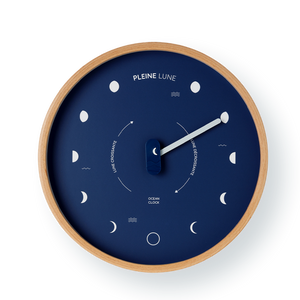
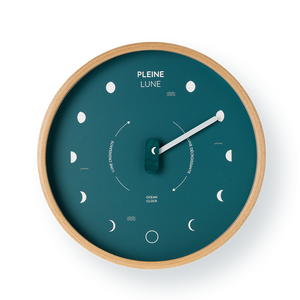
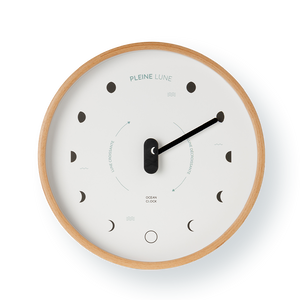
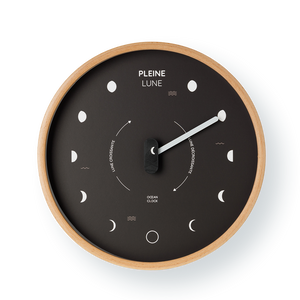
A tide clock is designed to show the general movement of the tide: it helps visualise the tidal cycle, anticipate time spent on the water, or simply stay connected to the ocean.
It is normal for it to differ slightly from a conventional tide timetable, as these variations are part of the natural behaviour of the tides.
Natural variations between your tide clock and the conventional tide timetable

📍Geographical reference used for this curve
Plymouth (UK)
This curve is based on data from Plymouth (UK), one of the locations where tidal offsets are among the most pronounced in the United Kingdom.
This diagram is the result of Ocean Clock’s technical expertise in coastal analysis.
It is our exclusive intellectual property and may not be reproduced without our prior authorisation.


During this period, the tidal range is reduced: the sea level rises and falls only slightly. The tidal range is generally between 1 and 2 metres, compared with 6 to 8 metres during periods of higher tidal coefficients.
It is during these phases that offsets of up to one hour may occasionally be observed. These variations are temporary and have no real impact on everyday ocean use.