What is a tide clock used for?
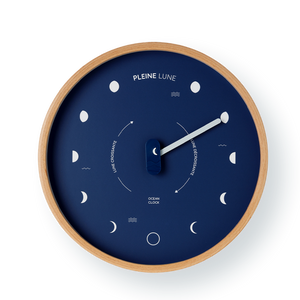
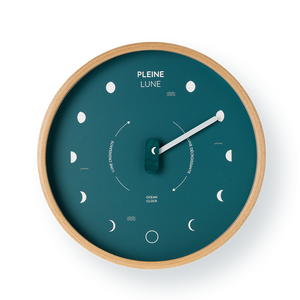
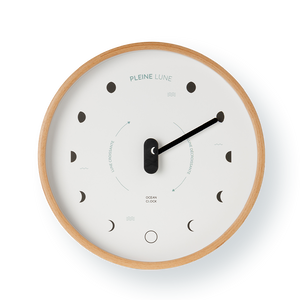
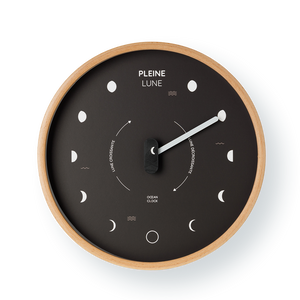
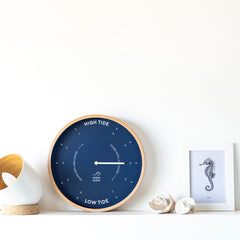
A tide clock provides a simple way to follow the rhythm of the ocean and see at a glance whether the tide is rising, falling, high or low. It is a practical reference for people who live near the coast, as well as for anyone who wants to follow the tides at a particular beach, harbour or holiday destination.
Unlike a tide timetable, which provides precise times for a specific date and location, a tide clock remains visible throughout the day. Its hand moves slowly around the dial, providing an immediate indication of the general tide trend. This makes it easier to plan a wide range of water-based and coastal activities without constantly checking your phone.
🌊 A tide clock can be useful for:
- surfing and board sports;
- paddleboarding, kayaking and recreational boating;
- sea fishing and shore gathering;
- land sailing and activities on the foreshore;
- beach walks and family outings;
- observing wildlife and coastal landscapes.
A tide clock for surfing
For surfers, knowing the state of the tide is essential. Depending on the surf spot, swell, seabed profile and orientation of the beach, waves may be more favourable at low tide, mid-tide or high tide. Some spots work better on a rising tide, while others become less accessible when the water level is too high.
A tide clock allows you to quickly see how the cycle is progressing and anticipate when conditions may become more favourable. It does not replace checking the marine forecast, swell and wind conditions, but provides a very useful additional reference when planning a surf session.
Planning a paddleboarding or kayaking trip
For paddleboarders and kayakers, the water level can significantly affect navigation conditions. In an estuary, channel, bay or basin, some passages may become difficult or even inaccessible when the tide is too low. At high tide, on the other hand, certain areas may be easier to access while sandbanks and rocky shallows are covered by deeper water.
Checking the tide clock before setting off helps you see whether the tide is rising or falling. This makes it easier to adapt your departure time, the length of your trip and your planned route. Currents, wind, weather conditions and local recommendations must, of course, always be taken into account.
⚠️ For any water-based activity requiring precise timing, always consult an official tide timetable and check local weather conditions. A tide clock indicates the tide trend and is not a navigation instrument.
Making the most of land sailing and wide open beaches
Land sailing is generally practised when the retreating sea exposes a large area of beach. Low tide reveals wide stretches of firm, wet sand that are particularly well suited to this activity. A tide clock helps you identify when low tide is approaching and anticipate the period when enough of the beach will be exposed.
It is also useful for other activities on the foreshore, including long walks, kite flying and certain outdoor sports. Simply looking at the position of the hand tells you whether the available beach area will continue to grow or whether the tide has already started to come back in.
Following the tides for fishing
Both professional and recreational fishers take the tides into account when choosing when to head out. The movement of the water affects currents, depth, food availability and the behaviour of many marine species. Certain stages of a rising or falling tide may therefore be more favourable depending on the location, season and fishing technique.
A tide clock provides a permanent visual reminder of the current cycle. It helps you anticipate the next high or low tide and organise your day. For precise planning, however, it should always be used alongside a local tide timetable, particularly when access to an area depends on exact tide times.
A useful guide for exploring the foreshore at low tide
When the sea retreats, the foreshore is exposed, revealing shellfish, crustaceans and other small marine animals in the sand, beneath rocks and in tidal pools. A tide clock helps you understand when the sea is going out and gives you a visual indication of the time remaining before it begins to rise again.
This activity nevertheless requires great care. The sea can return quickly and cut off certain areas. Before heading out, it is important to check precise tide times and tidal coefficients, respect minimum catch sizes and check local regulations.
Planning a family day at the beach
Families who enjoy spending time by the sea can also benefit from a tide clock. As the tide goes out, the beach gradually becomes wider and reveals new areas to explore. Children can build sandcastles, discover small pools between the rocks or look for shells along the shore.
Knowing whether the tide is rising or falling also makes it easier to choose where to place towels, games or a picnic. Set up too close to the water and the incoming tide may quickly reach you. A tide clock therefore provides a simple and educational way to help children understand the regular movement of the ocean.
| Activity |
Tide conditions often preferred |
Why follow the tide? |
| Surfing | Varies depending on the spot | Wave height and formation change with the water level. |
| Paddleboarding and kayaking | Often around high tide | Sufficient water depth can make certain channels, bays and basins easier to access. |
| Land sailing | Low tide | The retreating sea exposes a larger area of firm sand. |
| Exploring the foreshore | Falling and low tide | The foreshore becomes accessible, revealing areas normally covered by the sea. |
| Sea fishing | Varies depending on the species and location | Currents and fish activity change throughout the tidal cycle. |
| Family walks | Falling or low tide | The beach becomes wider and tidal pools become accessible. |
A useful clock, but different from a tide timetable
A tide clock does not provide the exact time of each high or low tide. Its mechanism reproduces the average tidal cycle, approximately 12 hours, 25 minutes and 14 seconds between two high tides or two low tides. In nature, this interval varies slightly due to the influence of the Moon, the Sun and the characteristics of each coastline.
Slight differences compared with a tide timetable are therefore perfectly normal. They change throughout the month and naturally balance out. The main purpose of a tide clock is to indicate the general tide trend and provide simple, visible and immediately understandable information.
A decorative piece that brings the ocean into your home
Beyond its practical purpose, a tide clock is also a decorative piece deeply connected to coastal life. Hung in a living room, bedroom, holiday home or office, it evokes the movement of the ocean and helps maintain a connection with the sea, even when it is hundreds of miles away.
It can also become a lasting reminder of a favourite holiday. Its dial evokes long days at the beach, surf sessions, walks along the sand, boat trips and moments shared with family and friends. Every glance at the hand is a reminder that the sea continues its rhythm, wherever you may be.
Personalising your tide clock
At Ocean Clock, each tide clock can be personalised with the name of a place that means something special to you. It could be your favourite beach, a fishing harbour, an island, a seaside town, a holiday destination or simply somewhere associated with a particular memory.
This personalisation transforms the clock into a unique and meaningful object. It can evoke a family holiday home, a first trip to the coast, a special encounter, a passion for surfing or a place where several generations enjoy spending time together.
💙 More than simply a measuring instrument, a personalised tide clock becomes a lasting reminder of the coast and the moments spent by the ocean.
Whether you enjoy water sports, fishing, boating, exploring the foreshore or simply watching the sea, a tide clock helps you better understand its rhythm. Practical, educational and decorative, it accompanies ocean lovers in their everyday lives while adding an original touch to their interiors.